Business Automation Software: How ERP, CRM, and Custom Solutions Solve Industry-Specific Operational Problems
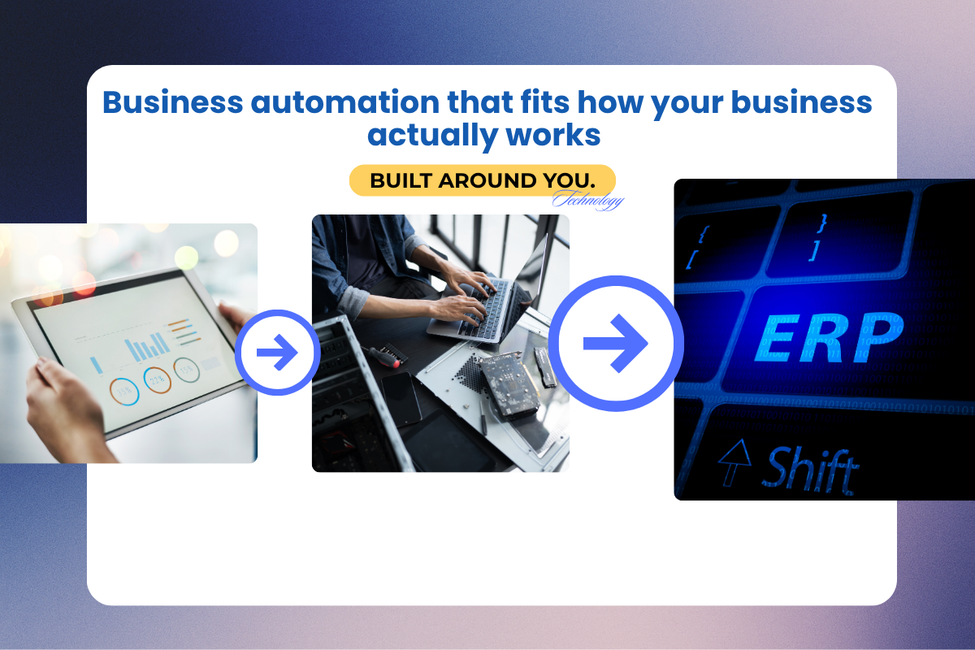
Business automation software, including ERP, CRM, accounting systems, marketplace platforms, and delivery management tools, solves the core problem of scattered data and manual processes that slow businesses down as they grow. Instead of managing operations, sales, and customer information across disconnected spreadsheets and tools, businesses use a connected platform to centralize data, automate repetitive tasks, and make faster, better-informed decisions.
What Is Business Automation Software?
Business automation software refers to digital systems such as ERP (Enterprise Resource Planning), CRM (Customer Relationship Management), accounting platforms, marketplace applications, and delivery management tools that connect different parts of a business into one system. Instead of tracking operations, sales, finances, and customer data separately, automation software centralizes this information so teams can access accurate, real-time data and reduce manual work.
Why Do Businesses Need Automation as They Grow?
As a business grows, manual processes that worked at a small scale start to break down. Common signs a business needs automation include:
- Data spread across spreadsheets, emails, and disconnected tools
- Delays in reporting and financial visibility
- Difficulty tracking customer interactions and sales pipelines
- Inconsistent inventory, order, or delivery tracking
- Time lost on repetitive manual data entry
These issues don’t just cause inefficiency; they slow down decision-making and make it harder to scale operations reliably.
Industry-Specific Business Automation Challenges and Solutions
Different industries face different operational bottlenecks. Below is a breakdown of common problems by sector and how automation software addresses them.
Oil & Gas / Energy Industry Automation
Problem: Energy companies manage procurement, plant operations, distribution, and customer accounts, often through disconnected systems and manual records.
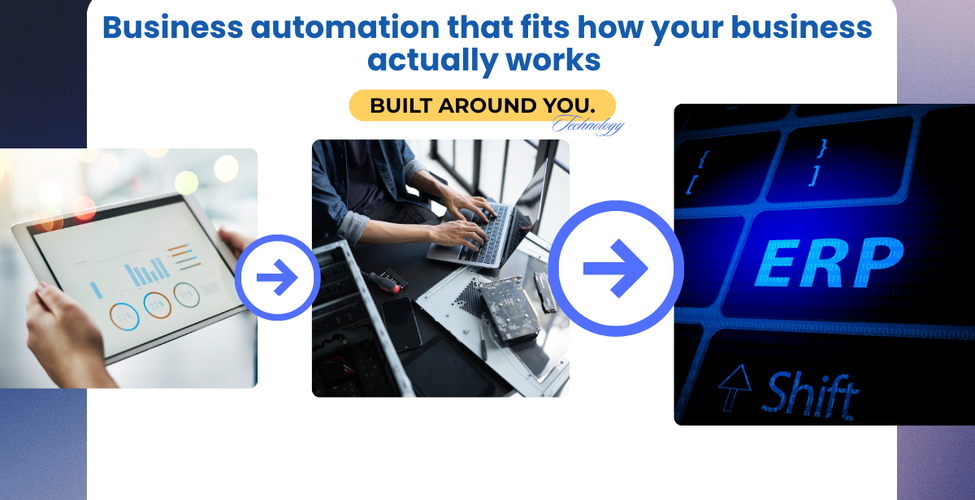
Why it gets harder at scale: As operations expand across multiple locations and business units, this fragmentation makes it difficult to track performance and respond quickly to operational issues.
Solution: An integrated ERP and CRM platform centralizes operational and customer data, improving reporting and day-to-day coordination.
Manufacturing and Cement Industry Automation
Problem: Manufacturers manage production planning, dealer networks, and sales tracking, frequently using separate, disconnected tools.
Why it gets harder at scale: As production volume and dealer relationships grow, disconnected tracking leads to delays and inconsistent data.
Solution: A unified ERP and CRM system connects operational and sales data for consistent, centralized decision-making.
Education and Institutional Accounting Automation
Problem: Educational institutions manage fee collection, budgeting, and multi-department financial records, often through manual accounting processes.
Why it gets harder at scale: As student numbers and administrative departments grow, manual accounting increases the risk of errors and reporting delays.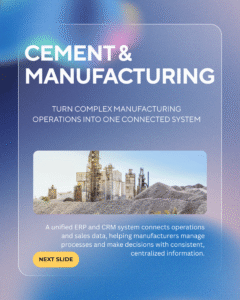
Solution: A dedicated accounting system streamlines financial record-keeping and reporting for better visibility and control.
E-commerce and Marketplace Platform Automation
Problem: Businesses launching a buy, sell, or rent marketplace need to manage multiple user roles, listings, and transactions, not just a storefront.
Why it gets harder at scale: As the number of users and transactions increases, weak backend management leads to coordination and data accuracy issues.
Solution: A purpose-built marketplace platform manages users, listings, and transactions in one place, supporting sustainable growth.
Logistics and Quick Delivery Platform Automation
Problem: On-demand delivery businesses need to manage order intake and real-time coordination between customers, riders, and operations teams.
Why it gets harder at scale: As order volume increases, manual coordination becomes harder to sustain, leading to delays and tracking issues.
Solution: A dedicated delivery management platform centralizes order handling and coordination, helping businesses scale efficiently.
Construction and Roofing Industry Automation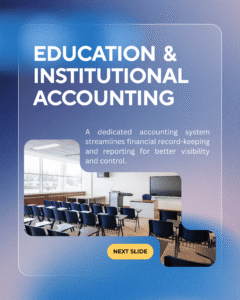
Problem: Construction and roofing businesses manage sales pipelines, customer inquiries, and operations across field teams and back-office staff.
Why it gets harder at scale: As project volume grows, disconnected sales and operations tracking makes customer follow-up harder to maintain.
Solution: An ERP and CRM system brings sales, customer management, and operations together, streamlining workflows and customer relationships.
Healthcare Industry Automation
Problem: Healthcare providers manage administrative processes and patient-related records, often through manual or fragmented systems.
Why it gets harder at scale: As patient volume and administrative complexity increase, manual processes make organized record-keeping harder to maintain.
Solution: Tailored healthcare software digitizes key workflows, helping providers manage administrative processes more efficiently.
Frequently Asked Questions
What is the difference between ERP and CRM software?
ERP software manages internal business operations such as inventory, production, and finance. CRM software manages customer-facing activities such as sales tracking, communication, and relationship management. Many businesses use both together on a connected platform.
Do small businesses need business automation software?
Automation becomes valuable once manual processes start causing delays, errors, or lost visibility. This can happen at any business size, though it’s more common as operations and customer bases grow.
Can automation software be customized to a specific business workflow?
Yes. Businesses can choose an existing industry-specific solution or a fully custom-built ERP, CRM, or software system designed around their own workflow, rather than adapting their process to fit generic software.
What industries benefit most from ERP and CRM systems?
Industries with complex operations and customer management needs, including manufacturing, energy, healthcare, logistics, education, e-commerce, and construction, typically see the most benefit from centralized automation systems.
Key Takeaway
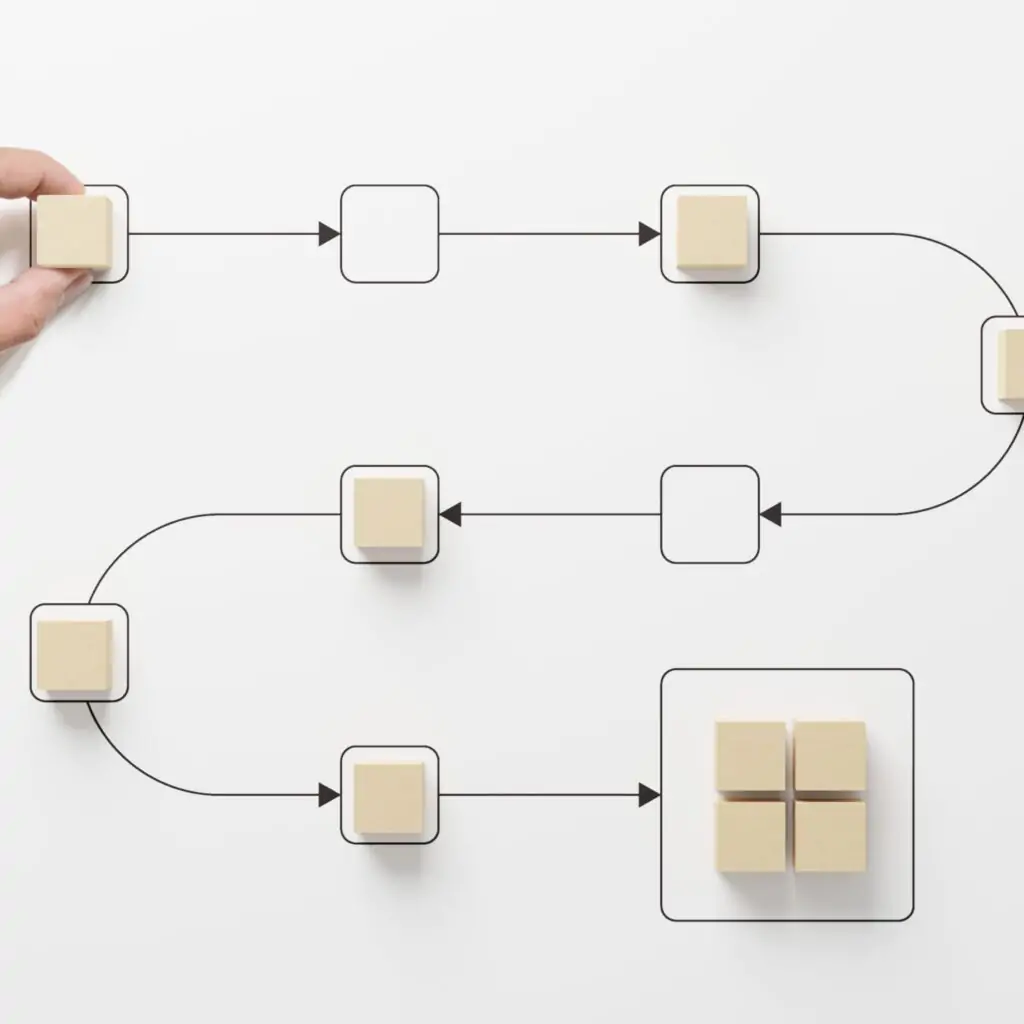
Operational problems across industries often stem from the same root cause: growth outpacing the systems meant to support it. The specific workflow differs in how orders move, how customers are tracked, and how finances are reported, but the solution approach is consistent: centralize data, automate repetitive processes, and build systems around how the business actually operates.
Businesses evaluating automation software can choose between an existing industry-specific solution or a fully customized ERP, CRM, accounting system, marketplace application, or delivery platform built around their unique workflow.