
Introduction: Why MVP Matters More Than Ever in 2026
In 2026, the startup ecosystem continues to evolve at an unprecedented speed, and competition has become more intense than ever before. Founders have innovative ideas, but only a small percentage succeed in turning those ideas into profitable products. One of the biggest reasons for failure is building a complete product without validating whether users actually need it.
This is why the MVP approach has become essential. A Minimum Viable Product allows startups to launch a simplified version of their idea with only the most critical features. It helps teams move faster, reduce risk, and learn directly from real users. In a rapidly changing digital economy, following the Minimum Viable Product guide in 2026 has become a smart and necessary strategy for startups, founders, and enterprises alike.
This guide explains what an MVP is, why it matters in 2026, how to build one, and how to validate your idea with confidence.
What Is an MVP (Minimum Viable Product)?
An MVP is a basic version of a product that includes only the essential features required to solve a specific problem for a targeted group of users. It is not meant to be perfect or feature-heavy. Instead, it focuses on testing assumptions and understanding real user behavior early.
The main goals of an MVP are:
-
Launch quickly
-
Learn from real users

-
Improve using data-driven insights
-
Avoid wasting time and money on unnecessary features
As markets change faster than ever, early validation has become a global standard in product development.
Why MVP Is Important in 2026
Faster Market Entry
In 2026, speed determines success. MVPs help founders launch early and stay ahead of competitors.
Lower Development Costs
Instead of investing heavily in full-scale development, MVPs keep costs under control by focusing on what truly matters.
Honest User Feedback
Real users reveal real problems. MVPs help founders understand actual behavior instead of relying on assumptions.
Reduced Business Risk
Validating demand early minimizes the risk of building products nobody wants.
Stronger Investor Trust
Investors in 2026 value traction and proof. An MVP with active users speaks louder than ideas alone.
Key Characteristics of a Strong MVP
-
Solves one clear problem
-
Delivers real value to users
-
Built quickly and efficiently
-
Easy to modify and improve
-
Tracks user behavior and engagement
A strong MVP balances simplicity with usefulness.
Popular MVP Types in 2026
-
No-code MVPs using modern platforms
-
Landing page MVPs to test demand
-
Concierge MVPs for deep user insights
-
Wizard of Oz MVPs for low-cost validation
-
Single-feature MVPs for focused testing
-
Prototype MVPs for UI and experience testing
Each type serves a different validation purpose depending on the business model.
Step-by-Step Process to Build an MVP
-
Identify the core problem
-
Define a specific target audience
-
Map the user journey
-
Prioritize must-have features
-
Create a simple prototype
-
Develop the MVP
-
Launch to early adopters
-
Measure performance metrics
-
Collect and analyze feedback
-
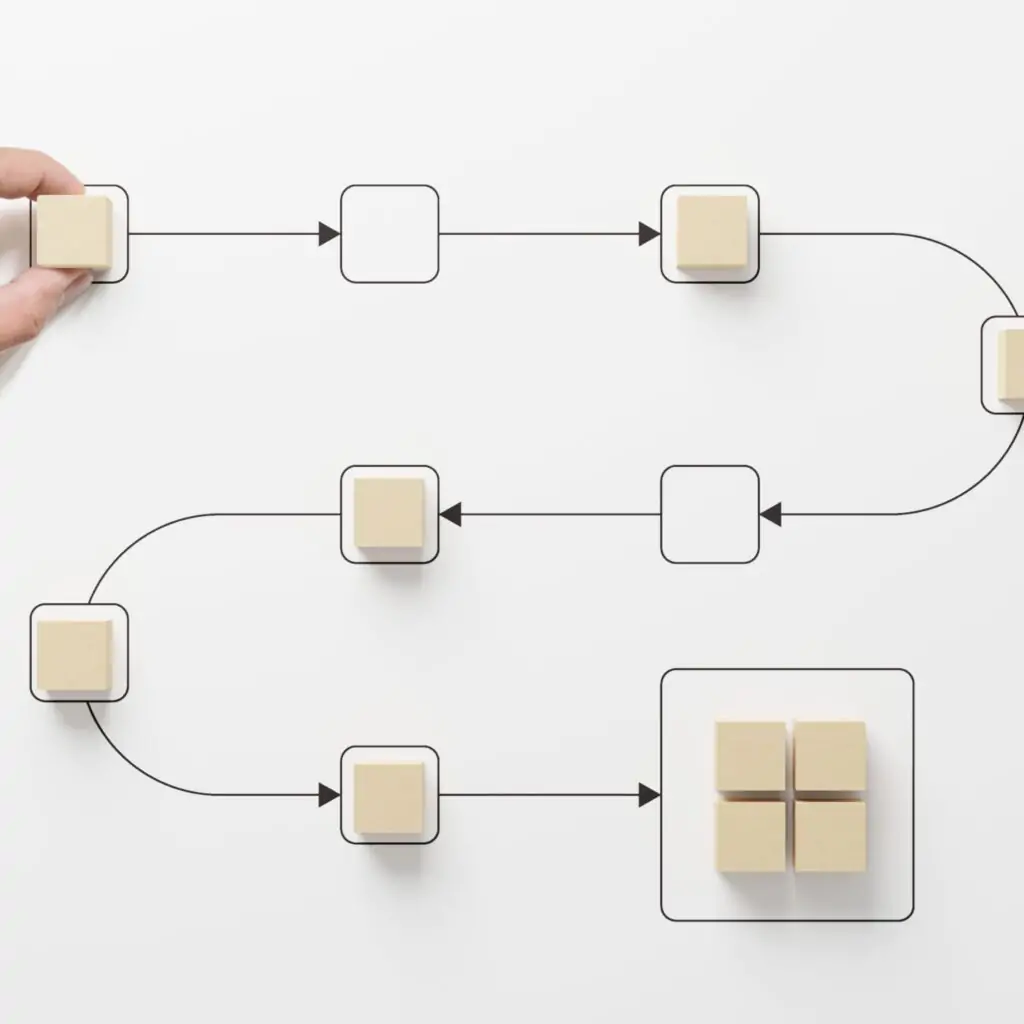
Improve, iterate, and scale
This structured approach follows the principles of the Minimum Viable Product guide in 2026 and ensures efficient product validation.
Common MVP Mistakes to Avoid
-
Adding too many features
-
Ignoring user feedback
-
Targeting everyone instead of a niche
-
Poor usability and design
-
Delaying launch for perfection
Avoiding these mistakes significantly improves success rates.
Real-World MVP Success Stories
Airbnb validated demand with a simple apartment listing.
Dropbox tested interest using a demo video.
Spotify launched with only core streaming functionality.
These examples show that starting small leads to scalable success.
Why 2026 Is the Right Time to Build an MVP
With AI tools, no-code platforms, and cloud infrastructure, building MVPs in 2026 is faster and more affordable than ever. Founders can test ideas globally, automate feedback collection, and scale rapidly. Applying the Minimum Viable Product guide in 2026 helps businesses remain competitive in a crowded market.
Conclusion: Build Smart, Learn Fast, Scale Confidently
An MVP is not just a simplified product. It is a strategic method to validate ideas, reduce risks, and build solutions users genuinely need. In 2026, successful startups prioritize learning before scaling.
By following the Minimum Viable Product guide in 2026, founders can launch faster, adapt smarter, and create products built for long-term success.